
Cambodia Ecotourism: Sustainable Travel, Nature and Community Experiences
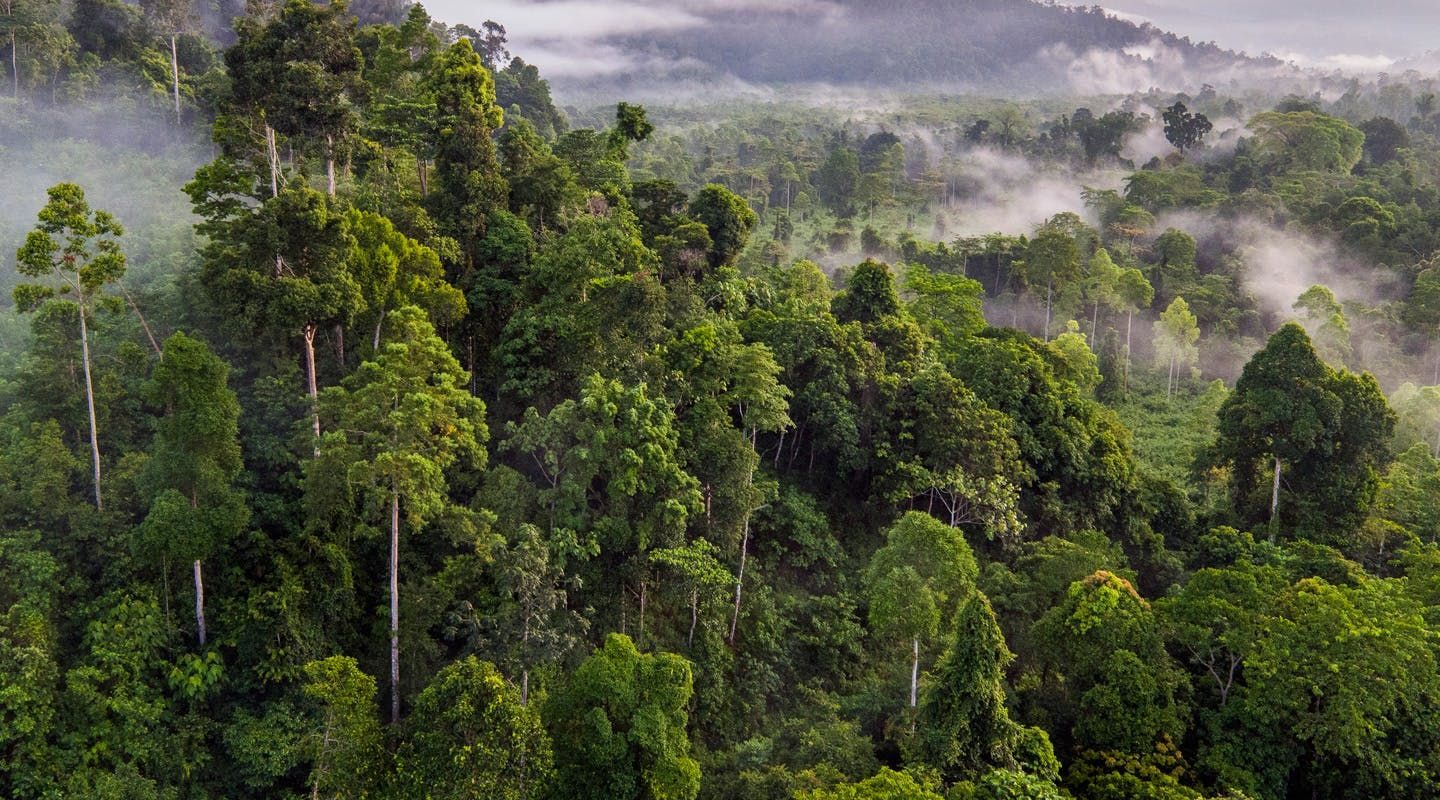
Cambodia has long been framed through the lens of Angkor Wat. But there is another Cambodia one of dense tropical rainforests, vast wetland systems that pulse with migratory birds, and rural communities where traditional ways of life remain largely intact.
Why Cambodia Is a Perfect Ecotourism Destination
Cambodia has long been framed through the lens of Angkor Wat the iconic temple complex that draws millions of visitors to Siem Reap each year. But there is another Cambodia, one that most itineraries miss entirely: dense tropical rainforests sheltering sun bears and clouded leopards, vast wetland systems that pulse with migratory birds, and rural communities where traditional ways of life remain largely intact.
For travellers who want something more substantive than a temple photograph, this country is quietly becoming one of Southeast Asia’s most compelling ecotourism destinations.
The foundations are genuinely strong. Cambodia protects around 41 percent of its land area through national parks, wildlife sanctuaries, and protected landscapes, according to the World Bank’s enabling ecotourism framework for Cambodia. That figure is remarkable for a developing economy and reflects a government that has, at least in policy terms, placed conservation at the centre of its long-term development agenda.
Pair that with a genuine warmth toward foreign visitors, an extremely affordable cost of living, and landscapes that range from the Cardamom Mountains in the southwest to the flooded forests of Tonle Sap in the centre, and you have a destination that rewards the curious, patient traveller.
Nature-based travel in Cambodia is also a genuine economic lever. Tourism contributed 9.4 percent of GDP in 2024, and the government has explicitly identified community-based tourism and ecotourism as tools for rural poverty reduction. When you book a guided forest trek through a village cooperative or sleep in a riverside homestay, you are not just having an experience you are participating in a local economy that conservation depends upon.
What Is Ecotourism? A Clear Definition for Travellers
Ecotourism is responsible travel to natural areas that conserves the environment, sustains the wellbeing of local people, and involves education and interpretation. That definition, widely adopted from the International Ecotourism Society, sounds simple enough, but it carries real implications that separate genuine ecotourism from what the industry sometimes calls ‘greenwashing.’
The distinction matters in Cambodia, where the word ‘eco’ appears on guesthouses, river cruises, and tour packages with varying degrees of sincerity. True ecotourism is built on four interlocking principles: low environmental impact, active conservation contribution, local community benefit, and an educational dimension that helps visitors understand what they are seeing.
Mass tourism to Angkor can deliver economic benefits, but it does not meet most of these criteria. A guided night walk through a community forest in the Cardamom foothills, accompanied by a local naturalist who explains why old-growth trees matter to water catchment, almost certainly does.
Does this experience leave the natural environment and local community better off for having happened? If the answer is genuinely yes, you are in ecotourism territory.
Cambodia’s Key Ecotourism Regions and Landscapes
Cambodia’s ecological diversity is far greater than its compact size suggests. Different regions offer entirely different experiences, and understanding the landscape before you plan helps enormously.
The Cardamom Mountains and Southern Seaboard
The Cardamom Mountains in Cambodia’s southwest represent one of the largest intact rainforest blocks remaining in Southeast Asia. Covering roughly 4.4 million hectares, they form a critical corridor for species including Indochinese tigers, Asian elephants, pangolins, and the Siamese crocodile.
The UNDP’s Cambodia Sustainable Landscape and Ecotourism Project (CSLEP) has worked extensively in this region, supporting community forest management and developing ecotourism infrastructure specifically designed to generate income for villages that protect, rather than clear, the forest around them.
Entry points include the town of Koh Kong to the west and the coastal town of Kampot to the southeast. Both offer access to lowland forest, mangroves, and the Tatai River system, where small-scale kayaking and boat tour operations have emerged as genuinely low-impact ways to experience the ecosystem.
Kirirom and Phnom Kulen National Parks
Kirirom National Park, roughly 120 kilometres southwest of Phnom Penh, sits on a pine-forested plateau and is one of the most accessible parks for travellers using the capital as a base. Hiking trails wind through the forest past waterfalls and over ridgelines with views across the Cardamom foothills, and the park has a small but growing range of eco-lodge accommodation.
Phnom Kulen, northeast of Siem Reap, is revered both ecologically and spiritually it is the sacred mountain from which the Khmer Empire is said to have been founded, and its forest watershed feeds the rivers that flow into Tonle Sap Lake below.
Tonle Sap Lake and Its Floating Villages
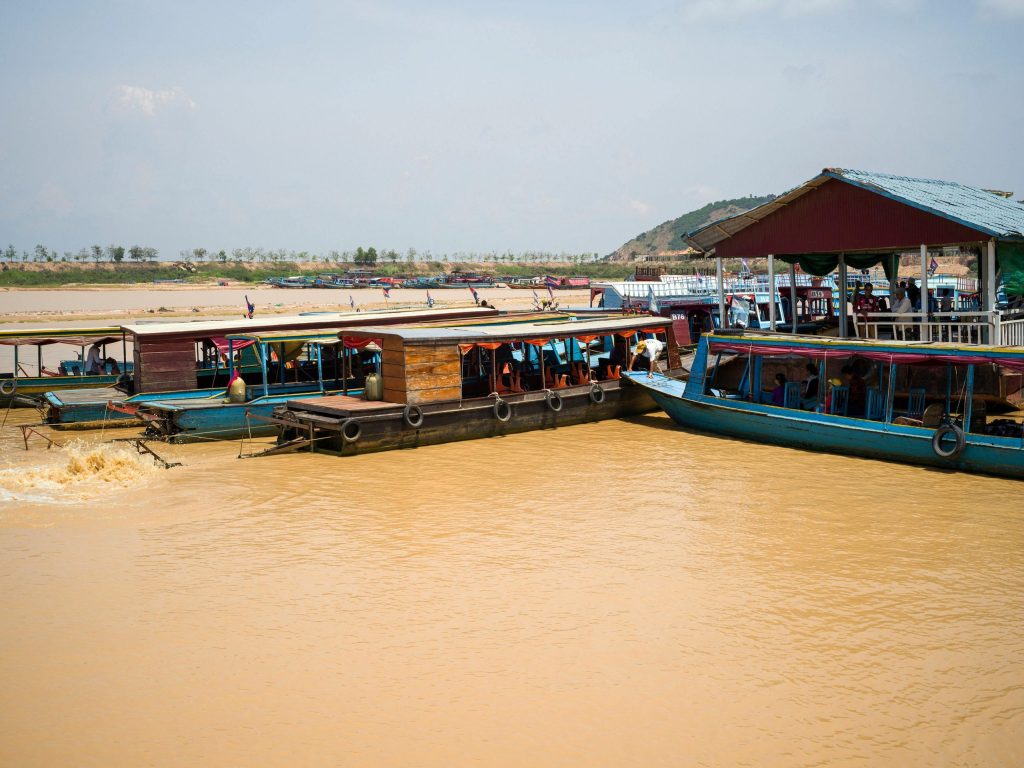
Tonle Sap is Southeast Asia’s largest freshwater lake and one of the world’s most biologically productive ecosystems. During the wet season it expands from around 2,500 square kilometres to more than 16,000, flooding surrounding forests and creating nursery habitat for fish species that support the diets of tens of millions of people across the lower Mekong basin.
The lake is recognised as a UNESCO Biosphere Reserve and is home to some of the last Irrawaddy dolphins remaining in Cambodian waters, as well as globally threatened waterbirds including the spot-billed pelican and milky stork.
Community-run boat tours from villages near Siem Reap particularly those operated through Sustainable Travel International’s Cambodia programme offer access to floating villages and bird sanctuaries in ways that return money directly to the households that depend on the lake’s health.
Rural and Indigenous Communities in Ratanakiri and Kampong Cham
Cambodia’s northeast, particularly Ratanakiri province, is home to indigenous Jarai, Tampuan, and Kreung communities living around volcanic crater lakes and within the Virachey National Park. Village-stay programmes and guided treks led by indigenous rangers have been developed here with support from conservation NGOs, offering a form of cultural-ecological tourism that is difficult to replicate elsewhere in the country.
Kampong Cham, closer to Phnom Penh, offers more accessible river-island homestay experiences that introduce travellers to rural Khmer life without requiring multi-day journeys.
| Region | Key Ecosystems | Signature Experience | Best Months |
|---|---|---|---|
| Cardamom Mountains | Tropical rainforest, mangroves | Forest trek with community guide | Nov – Apr |
| Kirirom National Park | Pine plateau, waterfalls | Hiking, eco-lodge stay | Nov – Mar |
| Phnom Kulen | Sacred forest, river systems | Cultural-eco day trek | Oct – Apr |
| Tonle Sap Lake | Freshwater wetland, flooded forest | Bird sanctuary boat tour | Oct – Mar |
| Ratanakiri | Jungle, volcanic lakes | Indigenous community trek | Nov – Apr |
| Kampot and Kep | Mangroves, coastal forest | Kayaking, river exploration | Nov – May |
Top Cambodia Ecotourism Activities and Experiences
The most rewarding ecotourism experiences in Cambodia tend to be the ones least visible in travel brochures. Here is where to focus your time.
Jungle trekking and wildlife spotting. Multi-day treks in the Cardamom Mountains, typically departing from Koh Kong or Chi Phat village, move through intact lowland rainforest with real prospects of encountering gibbons, civets, and a remarkable variety of hornbill species. The Chambok Community-Based Ecotourism site, supported by conservation partners, is one of the most established examples of community-led trekking in the country, where entrance fees feed directly into a village fund managed by local households.
Kayaking and responsible water-based tours. The Tatai River in Koh Kong province is one of Southeast Asia’s genuinely underrated paddling destinations. Calm water, overhanging forest, firefly-lit mangroves after dark, and the near-total absence of motorised boats create conditions that feel increasingly rare. Several small operators run kayaking day trips and multi-night river camps here, and the best of them are staffed entirely by local guides.
Floating village and bird sanctuary visits on Tonle Sap. The Prek Toal Bird Sanctuary at the western tip of Tonle Sap Lake is one of the most important waterbird colonies in Southeast Asia, and early morning boat trips from Battambang provide access during peak breeding season (December to May). This is not a polished experience — the boats are basic, the guides sometimes work through translation — but the density of large wading birds is extraordinary and the economic return to the community is direct and transparent.
Cultural-eco fusion: silk weaving, pottery, and farm stays. Several village cooperatives near Siem Reap and along the Mekong River offer hands-on workshops in traditional silk weaving, pottery, and rice farming. These are not staged performances; they are working enterprises where visitor participation translates into household income. The Lux Travel DMC sustainable tours guide provides a well-curated overview of vetted cultural operators across Cambodia’s main regions.
How Ecotourism Supports Conservation and Local Communities
The link between visitor spending and conservation outcomes in Cambodia is more direct than in most destinations, partly because the ecosystem services at stake are so clearly tied to community livelihoods. Families living at the edge of the Cardamom Mountains depend on the forest for clean water, non-timber forest products including rattan, honey, and medicinal plants, and the fish stocks of downstream river systems. When ecotourism generates income from the same forest, it shifts the economic calculus away from logging and conversion agriculture.
The World Bank’s analysis of ecotourism in Cambodia identifies community-based ecotourism (CBET) as particularly effective when it is genuinely community-owned rather than externally operated. The distinction is important: a lodge owned by an outside investor that employs local staff produces some benefit, but a village-managed enterprise where households hold shares in the operation, set the pricing, and control the conservation rules produces significantly more. Wildlife Alliance and Fauna and Flora International have both supported CBET development in Cambodia with frameworks that centre community governance from the outset.
Beyond direct income, ecotourism generates what economists call ‘non-market conservation incentives’ essentially, a community’s understanding that the living forest is worth more than the cleared one. In areas where this shift has taken root, deforestation rates have measurably declined. It is not a silver bullet, but it is one of the few market mechanisms that aligns visitor enjoyment directly with long-term environmental health.
Sustainable Travel Tips for Responsible Ecotourism in Cambodia
Good intentions are not enough. How you travel in Cambodia’s natural areas matters as much as where you go. These practices make a material difference.
- Choose community-run accommodation over resort hotels near protected areas.Homestays and village guesthouses in areas like Chi Phat, Chambok, or the Tonle Sap floating villages return a higher proportion of your spending to conservation-adjacent households.
- Hire local guides, not intermediaries.Wherever possible, book directly with village-level operations or cooperatives rather than through intermediaries in Phnom Penh or Siem Reap. The commission structure in Cambodian tourism is steep, and local guides see only a fraction of what you pay a city agency.
- Carry a refillable water bottle and a filter.Single-use plastic remains a serious problem in rural Cambodia, where waste management infrastructure is limited. LifeStraw or Sawyer-style filters work well with tap water in guesthouses, and most eco-lodges now offer refill stations.
- Respect cultural and religious protocols at villages and sacred sites.Dress modestly (shoulders and knees covered) when visiting temples, spirit houses, or rural communities. Ask before photographing people, particularly children and elders.
- Do not purchase wildlife products.This includes turtle shells, bear bile products, dried seahorses, and any live animal. The wildlife trade remains a significant pressure on Cambodia’s biodiversity, and tourist demand, however inadvertent, sustains it.
- Travel slowly.A single week in one region produces a deeper experience and a lower carbon footprint than rushing between Phnom Penh, Siem Reap, Sihanoukville, and Kampot in seven days. Ecotourism rewards the traveller who lingers.
Challenges and Opportunities for Cambodia Ecotourism
Cambodia’s ecotourism sector is genuine, but it is not without significant structural challenges. Understanding them helps visitors make better choices and supports the operators working to raise standards.
Infrastructure gaps in remote areas. Many of Cambodia’s most ecologically valuable zones are genuinely difficult to reach, with unpaved roads that become impassable during the wet season and accommodation that ranges from basic to non-existent.
This is partly what protects them but it also limits the economic case for conservation investment. The World Bank’s enabling ecotourism report identifies infrastructure as the single most significant barrier to scaling high-quality ecotourism beyond the main tourist circuits.
Wildlife exploitation risk. The same remote areas that attract ecotourists also attract poachers. Several high-profile wildlife tourism operations in Southeast Asia have been criticised for inadvertently directing visitor traffic to locations where the economic pressure then drives exploitation. Cambodia is not immune to this dynamic, which is why the governance structure of an ecotourism operation matters so much.
Greenwashing. The word ‘eco’ carries no legal definition in Cambodia’s tourism sector. Any operator can apply it to any service. The absence of a national ecotourism certification standard means travellers must do their own due diligence which is both a challenge and an opportunity for operators who genuinely deserve the label.
The opportunity in 2025 and beyond. Cambodia’s tourism minister and the Royal Government have explicitly framed ecotourism as a growth priority for 2026, targeting European, American, and Middle Eastern visitors who tend to stay longer and spend more per trip than regional package tourists.
With the new Techo International Airport in Phnom Penh now operational and the UNDP’s CSLEP project scaling community ecotourism infrastructure in the Cardamoms, the conditions for sector growth are better than they have ever been.
| Challenge | Current Status | Opportunity |
|---|---|---|
| Remote infrastructure | Significant gaps outside main circuits | New CSLEP investment in Cardamom zone |
| Greenwashing | No national certification standard | Growing demand for verified operators |
| Wildlife exploitation | Ongoing pressure in protected areas | Community rangers generating income |
| Seasonality | Strong Nov–Apr, weak May–Oct | Green Season campaign driving domestic travel |
| Tour operator quality | Highly variable | NGO-vetted CBET sites raising the floor |
Planning Your Cambodia Ecotourism Trip: Itinerary Ideas
Cambodia’s ecotourism geography breaks neatly into three broad zones that can be combined depending on your time and interests.
3 – 4 Days
Siem Reap Eco Extension
Ideal for travellers already visiting Angkor. Start with a guided hike on Phnom Kulen, then a morning on Tonle Sap Lake at Prek Toal or Kampong Khleang. Finish with a community village tour including traditional craft demonstration and a home-cooked meal.
5 – 7 Days
Central and Northern Forest Route
Depart Phnom Penh for Kirirom National Park. Continue to Chi Phat village in the Cardamom foothills, then coastal Koh Kong for Tatai River kayaking and mangrove exploration before returning to the capital.
7 – 10 Days
Full Southern Eco-Immersion
Begin in Phnom Penh, travel south through Kampot and Bokor National Park, west to Koh Kong and Chi Phat for three to four nights. Return via Kirirom. Optional detour northeast to Ratanakiri for indigenous community cultural-eco tourism.
How to Choose Ethical Ecotourism Operators in Cambodia
In the absence of a national certification standard, choosing a responsible operator requires some active research. The following criteria are a reliable filter.
- Community ownership or revenue sharing.Ask directly what percentage of your tour fee reaches the local community. A reputable operator should be able to answer this question without hesitation. If the answer is vague, that is itself informative.
- Local employment at senior levels.It is easy for an operator to hire local drivers and porters. What distinguishes genuinely responsible operations is local employment as guides, naturalists, and managers — roles that require investment in training and that produce meaningfully higher incomes.
- Conservation contributions.The best operators contribute a fixed percentage of revenue to conservation programmes — whether that is ranger salaries, reforestation, or anti-poaching patrol support. This should be documented, not aspirational.
- Transparent waste and environmental practices.Ask about their plastic policy, their approach to campfire management in forested areas, and whether they operate within carrying capacity limits for sensitive sites.
- Partnerships with reputable NGOs.Operators working alongside organisations such as Wildlife Alliance, Fauna and Flora International, or theUNDP Cambodia country officeare typically operating within governance frameworks that have been externally reviewed.
Further Reading
The ICM Corp conservation tourism analysis for Cambodia provides a useful overview of how conservation and tourism intersect in the Cambodian context, and is worth reading before finalising any operator choice.
The Future of Cambodia Ecotourism
Cambodia’s trajectory in ecotourism is, by most measures, pointing in the right direction. Protected area coverage is high, community-based ecotourism frameworks are maturing, and the government has signalled clearly that it wants to grow the sector. International partners including the World Bank, UNDP, and a range of conservation NGOs are investing in the infrastructure and governance systems that make high-quality ecotourism possible at scale.
The country’s natural assets are also, in many places, still genuinely intact in ways that are becoming rare across Southeast Asia. The Cardamom Mountains remain one of the region’s great wilderness areas. Tonle Sap, despite the pressures of upstream dams and climate variability, continues to function as one of the world’s most productive freshwater ecosystems. The species that define these places gibbons, elephants, giant ibis, Siamese crocodiles are still present, still breeding, and still capable of recovery if the conservation economics work.
The traveller choosing ecotourism in Cambodia is not simply selecting a holiday category. They are making an active choice to direct spending toward the communities and landscapes most in need of the economic argument for conservation. In a country where that argument is still being made, and where the outcome is still genuinely uncertain, that choice carries real weight.
The temples will always be there. The forests and wetlands that frame this extraordinary country deserve the same attention and the same protection.


