Business Ideas in Cambodia: Profitable Opportunities for Entrepreneurs
Cambodia has steadily positioned itself as one of Southeast Asia’s most accessible and underrated markets for entrepreneurs. While it may not yet match the scale of neighboring economies, its advantage lies in timing: the market is still developing, yet demand is rising across multiple sectors.
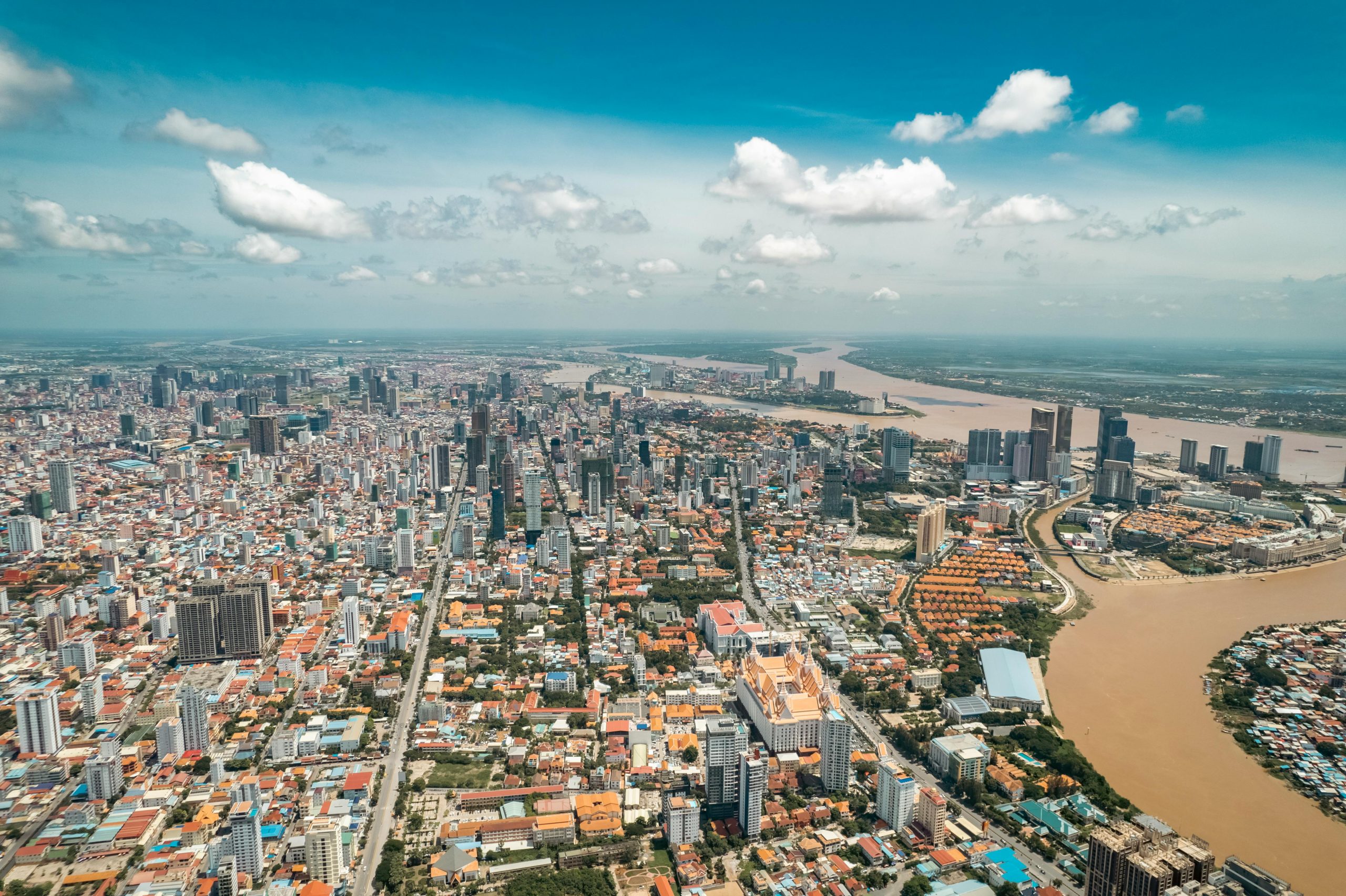
In Phnom Penh, rapid urbanization is reshaping consumer behavior. A growing middle class is spending more on convenience, lifestyle, and quality services. Meanwhile, Siem Reap continues to evolve beyond tourism, with new cafés, co-working spaces, and service businesses catering to both locals and international residents.
Cambodia’s startup ecosystem is supported by increasing financial inclusion and digital adoption. The National Bank of Cambodia has played a key role in expanding digital payments, while the Ministry of Commerce has streamlined aspects of business registration through online systems. These improvements reduce friction for entrepreneurs entering the market.
Another key advantage is cost. Compared to Thailand or Vietnam, Cambodia offers lower rent, cheaper labor, and fewer saturated industries. This creates space for small-to-mid-scale businesses to establish themselves and grow organically.
Key Factors to Consider Before Starting a Business in Cambodia
Starting a business in Cambodia requires more than identifying a good idea it requires understanding how business actually operates on the ground.
From a legal perspective, most foreign entrepreneurs choose to register a limited company. This structure provides liability protection and is widely accepted across industries. Cambodia allows 100% foreign ownership in most sectors, which is a major advantage compared to some neighboring countries.
However, practical realities matter just as much as legal structures. Cambodia is a relationship-driven market. Trust, personal connections, and reputation often influence business success more than formal contracts alone. Building strong local relationships whether with suppliers, staff, or partners is essential.
Language is another consideration. While English is common in urban business environments, Khmer is still dominant in day-to-day operations. Hiring local staff who can bridge this gap is often a smart early investment.
Entrepreneurs also need to understand the balance between formal and informal business practices. While many small businesses operate informally, long-term growth requires proper registration, tax compliance, and adherence to Cambodia’s regulatory framework. Working with a local accountant or legal advisor early on can simplify this process significantly.
Top Business Ideas in Cambodia (By Sector)
Food, Hospitality & Everyday Services
The food and beverage sector remains one of the most dynamic industries in Cambodia. Urban consumers are increasingly looking for convenience, quality, and variety. This shift has fueled the growth of modern cafés, delivery services, and niche dining concepts.
Platforms like GrabFood and Foodpanda have accelerated the demand for delivery-first businesses. This means entrepreneurs no longer need prime real estate to succeed well-branded, delivery-focused kitchens can operate with lower overhead.
There is also growing interest in health-conscious dining, specialty coffee, and dessert-focused brands. At the same time, locally inspired products such as packaged snacks, sauces, or ready meals offer opportunities to tap into both domestic and tourist markets.

Real Estate, Housing & Property Services
As Cambodia’s urban population grows, so does the demand for housing and related services. The real estate sector is not just about buying and selling property it’s increasingly about managing, maintaining, and optimizing living spaces.
In cities like Phnom Penh, many property owners lack the time or expertise to manage rentals effectively. This creates opportunities for property management services, short-term rental coordination, and tenant support.
Expats and digital nomads often need assistance navigating leases, utilities, and neighborhoods. Businesses that simplify relocation offering end-to-end support can build strong, recurring revenue streams.
Industry players like CBRE Cambodia provide insight into market trends, but smaller businesses can compete by offering more personalized, flexible services.
Tourism-Related Businesses
Tourism continues to be a major economic driver, but the nature of tourism is changing. Visitors are increasingly looking for experiences rather than just sightseeing.
This shift creates opportunities for businesses focused on eco-tourism, cultural immersion, and community-based travel. Around Tonle Sap, for example, travelers are drawn to floating villages, local lifestyles, and nature-based experiences.
Entrepreneurs who can design authentic, well-organized experiences whether through guided tours, homestays, or curated activities are well-positioned to capture this demand.
Digital Services & Tech-Enabled Startups
Cambodia’s digital transformation is still in its early stages, which creates a wide gap between traditional businesses and modern digital tools.
Many SMEs lack basic online infrastructure, including websites, branding, and digital marketing strategies. This opens the door for service-based businesses that help companies establish and grow their online presence.
Financial technology is another area of rapid growth. Apps like ABA Mobile show how quickly Cambodians are adopting mobile banking and cashless payments.
Entrepreneurs who can combine local market understanding with digital expertise have a strong advantage in this space.
Education, Training & Coaching
Cambodia’s young population is actively seeking opportunities to improve skills and increase earning potential. This demand fuels growth in both traditional education and vocational training.
English-language education remains a strong foundation, but newer opportunities are emerging in areas like digital skills, entrepreneurship, and technical training.
Organizations such as Kizuna reflect the shift toward innovation and skill-building. Businesses that offer practical, results-driven training programs are particularly attractive to young professionals.
Health, Wellness & Lifestyle
Urban lifestyles are changing, and with them comes increased awareness of health and wellness. Fitness centers, yoga studios, and boutique wellness brands are gaining popularity, especially among office workers and expats.
There is also growing demand for services that combine convenience with health, such as meal prep, nutrition coaching, and wellness consulting.
This sector benefits from recurring revenue models, making it attractive for long-term sustainability.
Manufacturing, Light Industry & Export
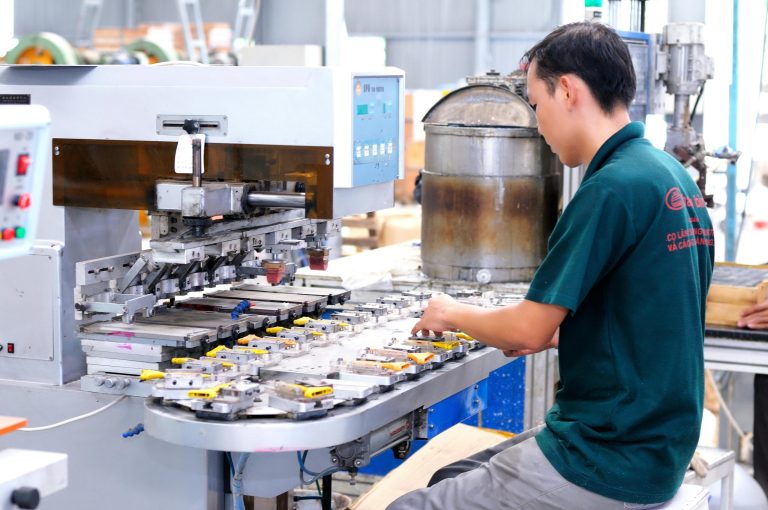
Cambodia has long been known for its garment industry, but smaller-scale manufacturing is becoming more diverse. Entrepreneurs are exploring niches such as handmade crafts, sustainable products, and natural goods.
Export-oriented businesses can leverage global platforms to reach international customers, especially with products that emphasize authenticity and craftsmanship.
The “Made in Cambodia” identity is gradually gaining recognition, particularly in ethical and artisanal markets.
Business Ideas for Expats & Digital Nomads
Expats and digital nomads create their own micro-economies within Cambodia. Their needs often differ from those of local consumers, creating niche opportunities.
Businesses that focus on simplifying life such as co-working spaces, relocation services, and content production tend to perform well. These ventures succeed by solving practical problems and building community connections.

How to Validate Your Business Idea in Cambodia
Validation is one of the most overlooked steps in starting a business. In Cambodia, it can be done quickly and cost-effectively.
Instead of committing large amounts of capital upfront, entrepreneurs can test ideas through small-scale launches, pop-ups, or online sales. Platforms like Facebook are widely used for buying and selling, making them ideal for market testing.
Talking directly to potential customers and observing competitor behavior can provide valuable insights before scaling.
Funding, Legal Setup & Support Systems
Most businesses in Cambodia are self-funded initially, but additional support is available. Local banks, microfinance institutions, and international organizations are increasingly active in supporting SMEs.
Organizations like the IFC contribute to private-sector development, while local incubators and networks help entrepreneurs refine and scale their ideas.
Overcoming Common Challenges
Operating in Cambodia comes with challenges, including language barriers, regulatory complexity, and cultural differences. However, these challenges are manageable with the right approach.
Hiring local talent, building strong relationships, and maintaining compliance with regulations are essential steps. Entrepreneurs who invest time in understanding the local context tend to perform significantly better over time.
Conclusion: Choosing Your Best-Fit Cambodia Business Idea
Cambodia offers a unique environment where growth and opportunity still outpace competition. For entrepreneurs willing to adapt, learn, and engage with the local market, the potential is significant.
The key is to start with clarity. Focus on an idea that aligns with your skills and resources, validate it in the market, and build gradually. Cambodia rewards patience, adaptability, and strong relationships.
For those who approach it strategically, building a business here is not just possible it’s sustainable and scalable.