Visit Angkor Wat – The Ultimate 2026 Travel Guide to Cambodia’s Ancient Wonder
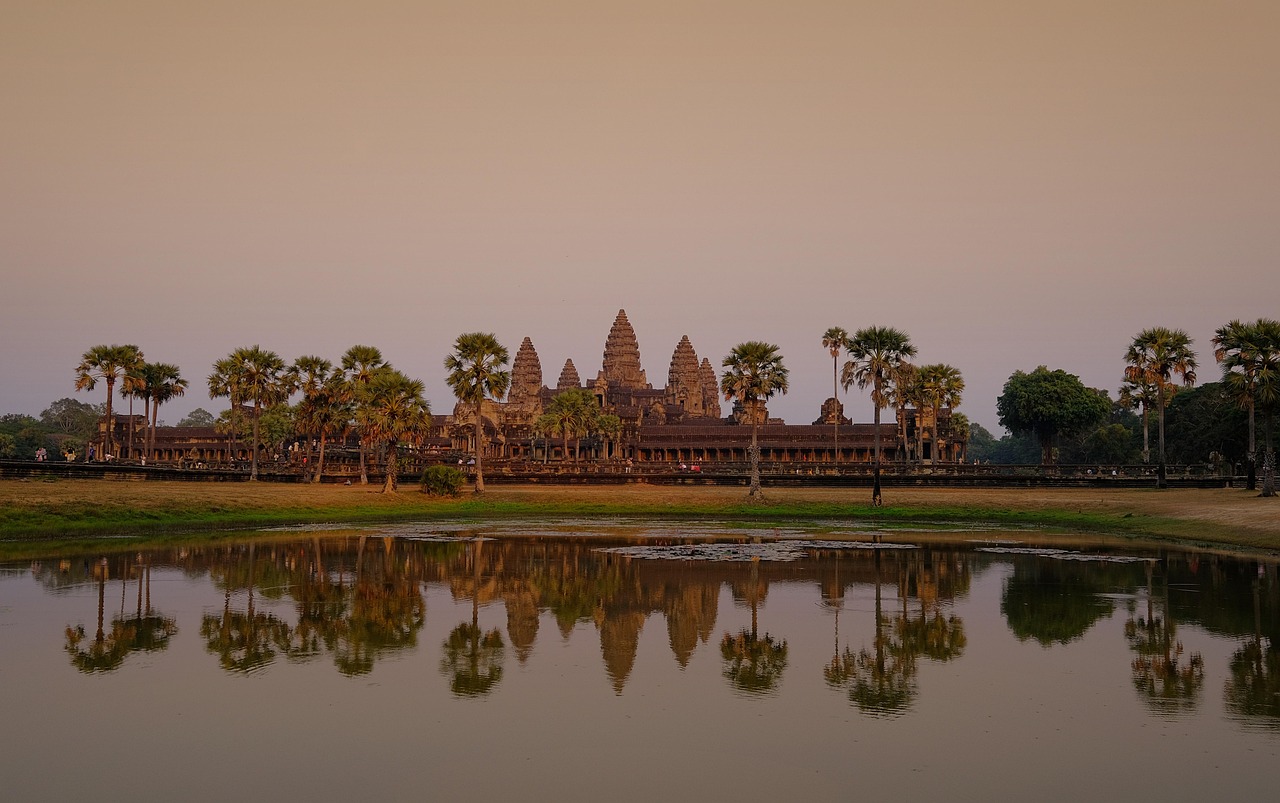
Few places on earth match the scale, symmetry, and spiritual gravity of Angkor Wat. Rising from the Cambodian jungle like a stone lotus at dawn, this 12th-century temple complex is the crown jewel of the Khmer Empire and the heart of every serious Siem Reap travel guide.
Designated a UNESCO World Heritage Site and attracting more than two million visitors annually, Angkor Wat is more than a bucket-list stop it’s a pilgrimage into Southeast Asia’s sacred architecture, cosmology, and cultural identity.
Whether you’re planning a spiritual journey, a photography-focused adventure, or a carefully paced Angkor Wat itinerary for 3 days, this 2026 guide covers everything you need to know from Angkor Wat tickets 2026 to sunrise strategy and sustainable tourism tips.
Why Visit Angkor Wat? A Brief History
Built in the early 12th century by King Suryavarman II, Angkor Wat was originally dedicated to Vishnu, making it one of the most significant Hindu temples in Southeast Asia. Over time, it transitioned into a Theravada Buddhist site an evolution that reflects Cambodia’s religious transformation.
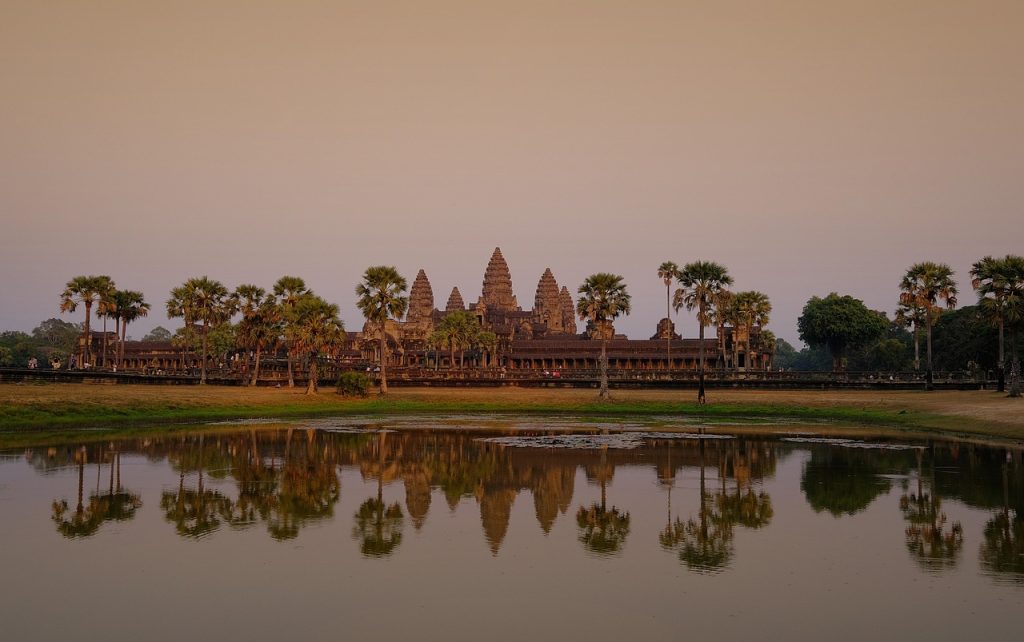
At over 400 square kilometers, the Angkor Archaeological Park is the largest religious monument on Earth. Angkor Wat itself symbolizes Mount Meru, the mythological center of the universe in Hindu cosmology. Its five iconic lotus-shaped towers mirror this sacred geometry.
Architectural and Cultural Highlights:
- Intricate bas-reliefs depicting scenes from the Ramayana and Mahabharata
- Over 1,500 apsara carvings (celestial dancers)
- Perfectly aligned east-west orientation unusual for Hindu temples
- The world-famous Angkor Wat sunrise over the reflecting pools
For deeper historical context, you can explore the Angkor Conservation Program by APSARA Authority at https://apsaraauthority.gov.kh/ and UNESCO’s heritage listing at https://whc.unesco.org/.
To visit Angkor Wat is to witness the zenith of Khmer Empire history an era when Cambodia was one of Asia’s most powerful civilizations.
Best Time to Visit Angkor Wat
Timing shapes your experience dramatically. Here’s how to choose the best time to visit Angkor:
| Season | Months | Weather | Pros | Cons |
|---|---|---|---|---|
| Peak Season | Nov–Feb | 20–30°C, dry | Comfortable climate, clear sunrise views | Crowds, higher hotel rates |
| Shoulder Season | Mar–May, Sep–Oct | Hot (up to 35°C) | Fewer tourists, lower prices | Humidity, heat |
| Rainy Season | Jun–Oct | Frequent rain | Lush landscapes | Slippery paths, flooding |
If your goal is the iconic Angkor Wat sunrise, aim for December to January for the clearest skies but arrive before 5:00 AM to secure a prime reflection spot.
Pro Tip: For fewer crowds and beautiful lotus blooms in the moats, late September can be surprisingly rewarding.
How to Get to Angkor Wat from Siem Reap
The temples are just 6 km from the center of Siem Reap, Cambodia’s tourism hub.
Transportation Options:
- Tuk-tuk Siem Reap: $15–20/day (most popular, flexible)
- Remork (motorbike cart): $10–15/day
- Bicycle or e-bike: $2–5/day (great for independence seekers)
- Private car or guided tours: $40–60/day
Fly into Siem Reap International Airport (REP). Airport transfers to hotels cost around $5–7.
If you’re planning a 3-day Angkor Wat itinerary, hiring the same driver for multiple days ensures efficiency and local insights.
Angkor Wat Tickets and Entry Fees (2026 Prices)
Here’s what to expect for Angkor Wat tickets in 2026:
| Pass Type | Duration | Price (USD) | Includes |
|---|---|---|---|
| 1-Day | 1 day | $37 | Angkor Wat + main circuit |
| 3-Day | Valid within 1 week | $62 | All major temples |
| 7-Day | Valid within 1 month | $72 | Full park access |
Tickets are scanned at checkpoints and must be carried at all times. Purchase only through official Angkor Enterprise counters or their verified online platform.
Dress code is strictly enforced: shoulders and knees must be covered to enter upper levels.
Perfect 1–3 Day Angkor Wat Itinerary
Day 1: Angkor Wat Focus
Start with sunrise at Angkor Wat. After the golden light spills over the central towers, explore:
- Upper Bakan sanctuary
- Libraries and courtyards
- Bas-relief galleries
In the afternoon, climb Phnom Bakheng for a panoramic sunset.
Day 2: Angkor Thom & Ta Prohm
Enter the walled city of Angkor Thom through the South Gate. Inside, visit:
- Bayon Temple famous for 216 serene stone faces
- Terrace of the Elephants
- Baphuon Temple
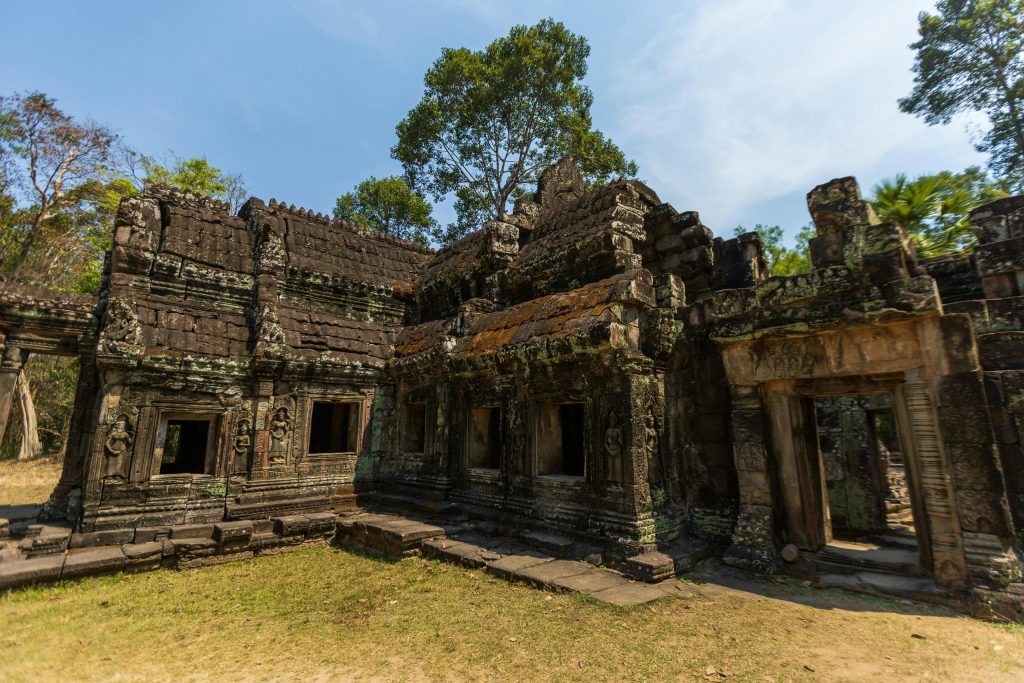
Continue to Ta Prohm Temple, the atmospheric “Tomb Raider temple,” where massive tree roots envelop crumbling stone walls.
End the day at Banteay Srei, renowned for its pink sandstone carvings.
Day 3: Advanced Sites
For deeper exploration:
- Pre Rup (sunset pyramid temple)
- Eastern Mebon
- Roluos Group temples
- Optional boat tour on Tonle Sap Lake
This flexible Angkor Wat itinerary for 3 days balances iconic highlights with quieter archaeological gems.
Essential Tips for Your Angkor Wat Visit
What to Bring
- 2L+ water
- Sunscreen and wide-brim hat
- Comfortable walking shoes
- Flashlight for dim corridors
Beat the Crowds
- Start before dawn
- Visit popular temples during lunch hours
- Hire licensed guides ($25–50/day)
Health & Safety
- Hydration is critical in tropical heat
- Malaria risk is low, but mosquito repellent is recommended
- Avoid feeding monkeys
Sustainable Tourism Angkor
- Do not touch bas-reliefs
- Stay on marked paths
- Respect monks and worshippers
Learn more about responsible travel through Cambodia’s Ministry of Tourism: https://www.tourismcambodia.org/
Where to Stay Near Angkor Wat
Luxury
- Belmond La Résidence d’Angkor
- Park Hyatt Siem Reap
Mid-Range
- Tara Angkor Hotel
- Somadevi Angkor Hotel
Budget
- Onederz Hostel
- Shadow of Angkor Guesthouse
All are within 10–15 minutes of the temples and ideal for early sunrise departures.
Sample Costs for a 3-Day Angkor Trip
| Expense | Estimated Cost |
|---|---|
| 3-Day Ticket | $62 |
| Tuk-tuk (3 days) | $45–60 |
| Food | $15–30/day |
| Hotel | $20–150/night |
| Total | $150–400 per person |
Cambodia remains one of Southeast Asia’s most affordable heritage destinations, offering exceptional value for cultural travelers.
Conclusion
To visit Angkor Wat is to step into a civilization carved in sandstone and devotion. From the hypnotic stillness of sunrise reflections to the mysterious faces of Bayon, every corner tells a story of power, faith, and artistry.
Plan your trip during dry season, secure a multi-day pass, and begin each day before dawn. Whether you’re traveling solo, as a couple, or with family, Angkor Wat delivers one of the most profound travel experiences in Asia.
Cambodia’s ancient wonder is waiting.