
MGC Asian Traditional Textiles Museum – Discovering Cambodia’s Silk Weaving Heritage
Tucked away in a quiet neighborhood of Siem Reap, the MGC Asian Traditional Textiles Museum offers a refined and deeply personal journey into Asia’s textile traditions. While most travelers come for Angkor Wat and the monumental Khmer temples, this serene museum reveals another legacy of the Khmer Empire its sophisticated silk weaving and textile artistry.
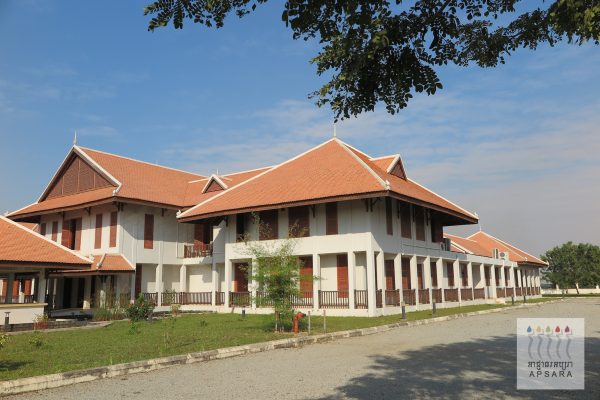
Founded by Cambodian-American collector Munson Geissler, the museum houses more than 700 rare textiles gathered across Southeast Asia. Displayed in a traditional Khmer wooden house surrounded by tropical greenery, the collection highlights Cambodian silk weaving while contextualizing it within broader Asian textile traditions.
For culture seekers interested in craftsmanship, symbolism, and living heritage, this Siem Reap textiles museum provides insight far beyond the temple walls.
History and Founding of the Museum
Established in 2013, the MGC Asian Traditional Textiles Museum reflects Munson Geissler’s lifelong dedication to preserving endangered weaving traditions. After decades of travel and collecting throughout Southeast Asia, he created a space where these fragile works could be studied, admired, and protected.
Located near Wat Damnak in a classic Khmer-style wooden structure, the museum embodies architectural authenticity that complements its exhibits. The intimate scale allows visitors to engage closely with the Munson Geissler collection rather than pass through vast, impersonal galleries.
Beyond preservation, the museum actively supports contemporary artisans. Rotating exhibitions spotlight living weavers whose skills are threatened by industrialization and fast-fashion production. In doing so, it bridges Cambodia’s ancient textile legacy with modern sustainability efforts.
For broader cultural preservation initiatives in Cambodia, organizations like UNESCO provide valuable context on safeguarding intangible heritage such as traditional weaving: https://www.unesco.org/
Permanent Collection Highlights
Khmer Silk Weaving

At the heart of the museum lies its extraordinary display of Khmer sampot hol, Cambodia’s iconic ceremonial skirt. These textiles demonstrate masterful ikat dyeing Cambodia techniques, where threads are resist-dyed before weaving to create intricate geometric and floral motifs.
Many pieces incorporate gold-thread supplementary wefts, a labor-intensive brocading technique historically reserved for royalty and sacred rituals.
Motifs often include:
- Naga serpents symbolizing protection
- Temple spires reflecting Angkorian architecture
- Floral vines denoting fertility and prosperity
These textiles were once worn at royal ceremonies and weddings, serving as visual markers of status and spiritual alignment.
Hill Tribe Textiles
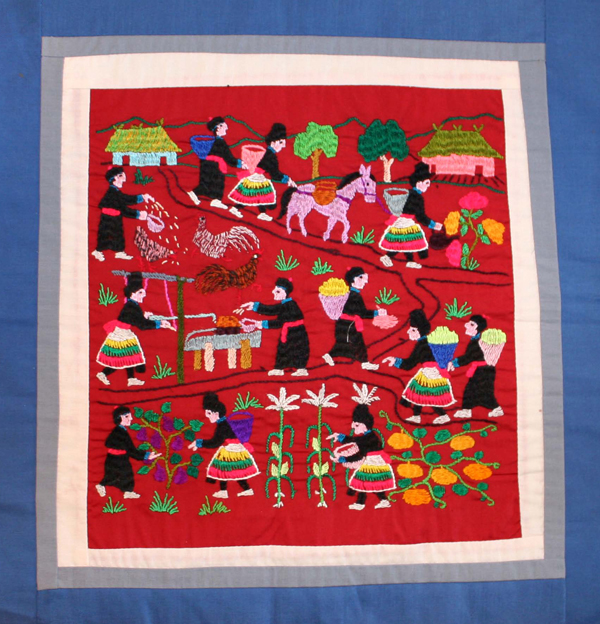
The museum expands beyond Cambodia to showcase Asian hill tribe textiles, including Hmong and Yao embroidery from Laos and Vietnam. These garments feature bold geometric stitching, batik-dyed skirts, and symbolic motifs representing clan identity and ancestral heritage.
By presenting regional diversity, the exhibits illustrate cross-cultural design influences that traveled along ancient trade networks, echoing the interconnectedness of Southeast Asia’s textile history.
Royal Cambodian Weaves
Rare 19th-century royal textiles feature sacred iconography woven with extraordinary precision. The shimmering interplay of silk and metallic threads demonstrates advanced discontinuous brocading and tapestry weaving techniques.
These royal weaves embody both artistry and cosmology, linking garment design to spiritual protection and courtly prestige.
Regional Diversity
Additional displays include Thai silk, Burmese longyi, and Indonesian ikat sarongs. Together, they provide comparative insight into dye technologies, loom structures, and aesthetic variations across Asia.
Weaving Techniques and Cultural Significance
The museum’s educational displays demystify complex textile processes:
- Ikat dyeing: Pre-dyeing threads to create patterned textiles
- Discontinuous brocading: Supplementary wefts forming raised motifs
- Natural dye extraction: Indigo, turmeric, and lac insect pigments
- Traditional backstrap loom weaving: Portable looms secured around the weaver’s body
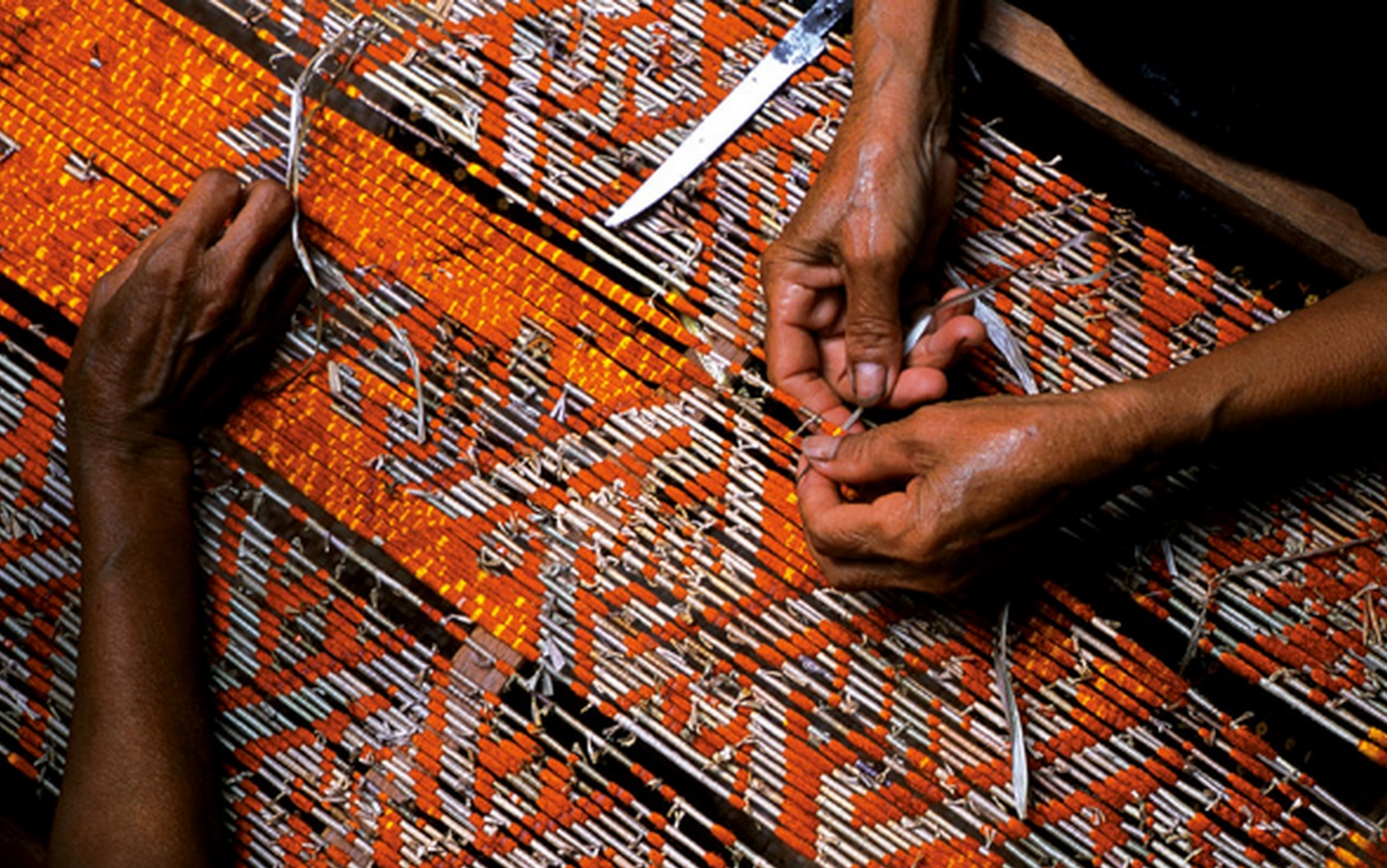
Each textile is more than fabric it is a narrative. Patterns signify marital status, spiritual beliefs, regional identity, and ancestral lineage. In many Cambodian communities, weaving remains a matrilineal skill passed from mother to daughter.
Occasional live demonstrations of the traditional backstrap loom offer visitors firsthand appreciation of the patience and precision required. Watching threads transform into patterned cloth reinforces how deeply Cambodian weaving heritage is embedded in daily life.
Special Exhibits and Workshops
Rotating exhibits explore themes such as “Silk Roads of Cambodia” and lesser-known ethnic minority crafts. These curated shows reveal how trade, migration, and religion shaped textile evolution.
Hands-on workshops occasionally introduce visitors to basic weaving or natural dyeing techniques. Such immersive learning strengthens appreciation for sustainable craftsmanship.
The museum shop features ethically sourced reproductions made by weavers from provinces like Preah Vihear and Mondulkiri, ensuring that purchases directly support artisan communities.
Visiting Information and Practical Tips
- Hours: Open daily except Mondays, 9:00 AM – 5:00 PM
- Entry Fee: $5 USD (includes guided tour; book ahead for English)
- Location: Wat Bo village, approximately 10 minutes by tuk-tuk from central Siem Reap
Its tranquil garden setting offers shaded seating, making it a peaceful retreat from the city’s busier attractions. Visitors can combine the museum with nearby cultural stops or local markets for textile shopping inspiration.
For updated travel information about Cambodia, consult the official tourism portal: https://www.tourismcambodia.com/
Summary Table: MGC Textiles Museum Highlights
| Collection/Feature | Description | Cultural Insight |
|---|---|---|
| Khmer Silk Sampot | Ikat and gold-brocaded ceremonial skirts | Royal weddings and sacred rituals |
| Hill Tribe Embroidery | Hmong and Yao geometric patterns | Ethnic identity and ancestral heritage |
| Natural Dye Techniques | Indigo, turmeric, lac insect pigments | Sustainable traditional practices |
| Backstrap Loom Demos | Live weaving demonstrations | Preservation of ancient craft methods |
| Royal Motifs | Naga and temple patterns in gold thread | Khmer spiritual symbolism |
Conclusion
The MGC Asian Traditional Textiles Museum weaves together artistry, anthropology, and cultural preservation into one intimate experience. At its core lies Cambodia’s silk mastery from intricate Khmer sampot hol to complex ikat dyeing traditions.
For travelers exploring Siem Reap cultural museums, this hidden gem provides a tactile, visual counterpoint to Angkor’s stone monuments. It reveals the softer, yet equally powerful, threads of Khmer civilization threads that connect past and present through enduring craftsmanship.
Visit this tranquil sanctuary to understand how fabric, faith, and identity intertwine in Cambodia’s living heritage.


