Angkor Wildlife & Aquarium – Family-Friendly Animal Encounters Near Siem Reap
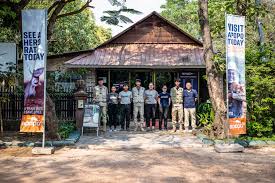
Just a short drive from Siem Reap’s iconic temples, Angkor Wildlife & Aquarium offers a refreshing change of pace. This modern Cambodia aquarium and zoo blends native wildlife exhibits with immersive aquatic displays in a clean, landscaped, and partially air-conditioned environment designed for comfort and learning.
For families, couples, and animal lovers, it provides a relaxed half-day outing that balances temple exploration with interactive education. After sunrise at Angkor Wat, an afternoon surrounded by Cambodian freshwater fish exhibits and shaded wildlife enclosures feels both restorative and enriching.
What Is Angkor Wildlife & Aquarium?

Angkor Wildlife & Aquarium is a purpose-built wildlife park near Siem Reap that combines three concepts into one integrated experience:
- A land-animal wildlife park
- A large-scale freshwater and marine aquarium
- A conservation and education center
Located roughly 20–30 minutes from central Siem Reap, the park sits within easy reach of the main access roads leading to the Angkor Archaeological Park. This strategic positioning makes it ideal for visitors seeking animal encounters near Angkor Wat without committing to a full-day excursion.
Who Is It Ideal For?
- Families looking for things to do with kids in Siem Reap
- Couples seeking a low-stress, shaded activity
- Travelers wanting educational attractions in Cambodia beyond temples
The atmosphere is calm and organized, making it particularly appealing after multiple days of heat and walking among temple ruins.
Wildlife Zones: From Native Species to Exotic Animals

The terrestrial section of the park is divided into themed zones reflecting regional ecosystems and broader Asian wildlife habitats.
Cambodian Forest Species
One highlight is the focus on animals native to Cambodia’s forests and wetlands. Interpretive signage connects these species to protected areas such as Wildlife Conservation Society projects in the region, reinforcing conservation themes.
Expect to encounter:
- Colorful bird species in walk-through aviaries
- Reptiles native to Southeast Asia
- Small mammals adapted to tropical forest environments
Asian and Exotic Species
In addition to local fauna, the park includes select Asian wildlife exhibits. Enclosures are landscaped with greenery, water features, and shaded viewing platforms. Wide walking paths and rest stops make navigation comfortable for families with children or strollers.
The emphasis is not spectacle but accessibility clear sightlines, safe barriers, and educational panels explaining habitat, diet, and conservation status.
Aquarium Experience: Freshwater and Marine Life
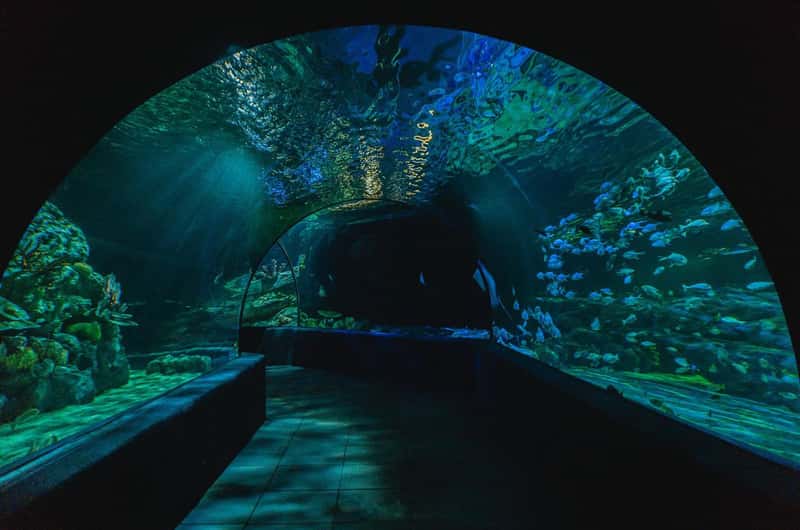
The aquarium section forms the educational core of the attraction. Large display tanks showcase both freshwater and marine ecosystems, offering immersive viewing experiences in temperature-controlled spaces.
Mekong and Tonlé Sap Focus
A standout feature is the emphasis on the Mekong River system and Tonlé Sap Lake. These waterways are ecological lifelines for Cambodia. Species displays often reference conservation challenges documented by organizations such as the World Wildlife Fund, including overfishing, habitat loss, and hydropower impacts.
Cambodian freshwater fish exhibits may include:
- Large river species native to the Mekong basin
- Predatory and bottom-dwelling freshwater fish
- Educational panels explaining seasonal flooding cycles
Marine Displays
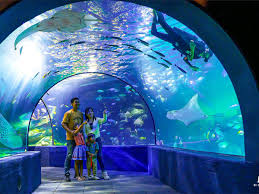
In addition to freshwater ecosystems, marine tanks introduce coral reef species and tropical fish. If a viewing tunnel or wraparound tank is available during your visit, it provides a particularly engaging perspective for children.
Interpretive signage uses clear infographics to explain:
- River biodiversity
- Sustainable fishing practices
- Ocean plastic and marine ecosystem protection
The messaging aligns with broader Angkor wildlife conservation themes, positioning the aquarium as more than entertainment.
Educational Programs and Interactive Experiences
Education is integrated into the visitor journey rather than confined to a classroom.
Keeper Talks and Feeding Sessions
Scheduled keeper talks explain animal behavior, feeding routines, and veterinary care. These sessions provide practical insights into animal welfare standards and daily management practices.
Interactive Elements
Depending on the schedule, visitors may find:
- Supervised fish feeding zones
- Close-up encounters with select species
- Child-friendly activity panels with conservation quizzes
The communication style is layered: simple explanations for children and deeper ecological context for adults. This dual-level interpretation enhances its reputation among educational attractions in Cambodia.
Visitor Facilities and Family-Friendly Amenities
A well-designed layout enhances the overall experience.
On-Site Facilities
- Café or restaurant serving light meals and drinks
- Snack kiosks
- Gift shop with wildlife-themed merchandise
- Shaded seating and landscaped rest areas
Practical Comfort
- Stroller-friendly paths
- Clearly marked restrooms
- Ample seating
- Estimated visit time: 2–4 hours
For itinerary planning, many visitors pair the park with cultural attractions in Siem Reap town or schedule it as a lighter afternoon following temple exploration.
Planning Your Visit: Tickets, Opening Hours, and Best Time to Go
While schedules can vary seasonally, wildlife parks near Siem Reap typically operate from morning to late afternoon.
Best Time to Visit
- Early morning for cooler outdoor conditions
- Late afternoon for softer light and fewer crowds
Tickets
Ticket categories often include:
| Category | Typical Inclusion |
|---|---|
| Adult Ticket | Full park and aquarium access |
| Child Ticket | Discounted rate for younger visitors |
| Resident Rate | Special pricing for Cambodian residents |
Siem Reap zoo and aquarium tickets are generally available on-site, and in some cases online booking options are offered.
Getting There
Transport options from Siem Reap include:
- Tuk-tuk
- Private taxi
- Hotel-arranged transport
- Combined tour packages
Because of its proximity to Angkor-area roads, it integrates easily into broader Angkor itineraries.
Summary Table: Angkor Wildlife & Aquarium at a Glance
| Aspect | Key Details | Why It Matters |
|---|---|---|
| Main Focus | Wildlife park + aquarium | Variety in one stop for all ages |
| Location | Near Siem Reap / Angkor area | Easy to add to temple itineraries |
| Experience Length | Around half-day visit | Good fit between temple days |
| Family Features | Shaded paths, café, kids’ learning | Comfortable for families and groups |
| Educational Angle | Conservation and habitat displays | Adds depth beyond simple sightseeing |
Conclusion
Angkor Wildlife & Aquarium stands out among family attractions in Siem Reap as a thoughtfully designed blend of leisure and learning. It offers structured wildlife encounters, Cambodian freshwater fish exhibits, and conservation-focused education in a comfortable setting just minutes from the temples.
For travelers seeking things to do with kids in Siem Reap or anyone wanting to balance ancient stone monuments with living ecosystems this Cambodia aquarium and zoo provides a meaningful alternative. It is not simply a diversion from temple visits, but a complementary experience that broadens your understanding of Cambodia’s natural heritage and conservation efforts.