Angkor National Museum – Your Essential Guide to Khmer Artifacts and Ancient History
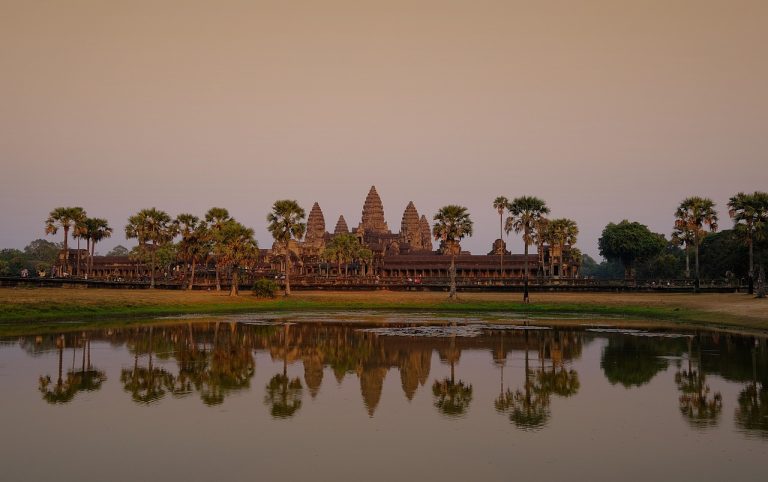
Before stepping into the vast stone corridors of Angkor Wat or wandering through jungle-wrapped ruins, there is one place that brings the entire Khmer story into focus: Angkor National Museum.
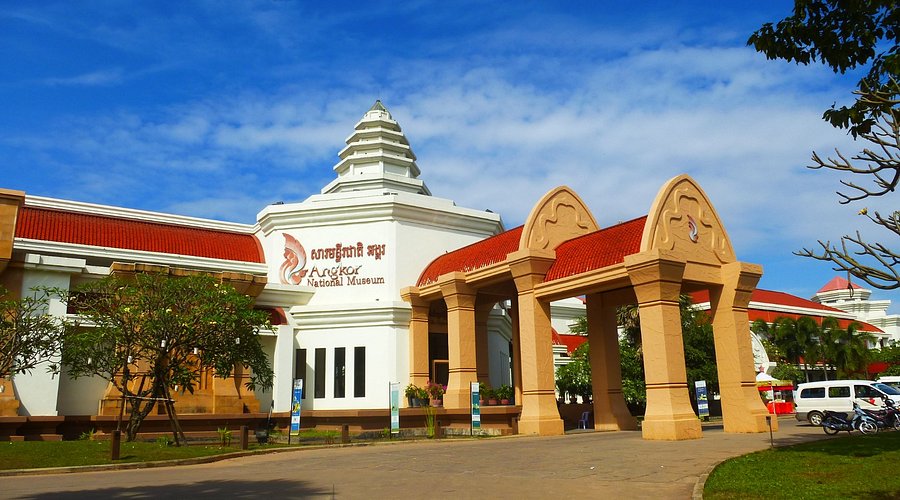
Opened in 2007 in Siem Reap, the museum serves as the premier cultural gateway to understanding the 1,400-year legacy of the Khmer Empire. Housing more than 14,000 artifacts, it offers curated, climate-controlled insight into Cambodia’s Bronze Age roots, Angkorian artistic peak, and religious transformations.
For history enthusiasts, architecture lovers, and cultural travelers, this is not just a side attraction it is the intellectual foundation that makes every temple visit more meaningful.
History and Purpose of the Museum
Preserving a Fragile Legacy
The Angkor National Museum was established to safeguard and display artifacts vulnerable to looting, environmental erosion, and structural collapse at temple sites. By relocating delicate sculptures, inscriptions, and bronzes into climate-controlled galleries, Cambodia ensures the long-term preservation of its national heritage.
The museum operates through a public-private partnership model and follows international conservation standards. Institutions such as UNESCO continue to emphasize the importance of protecting Angkor’s cultural landscape (see: https://whc.unesco.org/en/list/668/).
Educational Mission
Accessibility is central to the museum’s mission. Visitors can access multilingual audio guides in:
- English
- Chinese
- French
- Japanese
These tools enhance understanding of Khmer Empire artifacts, symbolism, and royal history making the museum approachable for global audiences.
Gallery Highlights and Key Exhibits
The museum is organized into thematic galleries, each building a chronological and cultural narrative.
Pre-Angkorian Gallery
The Pre-Angkorian gallery introduces early Southeast Asian kingdoms such as Funan and Chenla.
Here, visitors encounter:
- Terracotta artifacts
- Early lingas
- Bronze ritual objects
These pieces trace the foundations of Khmer civilization before Angkor’s monumental rise.
For deeper academic context on early Southeast Asian states, Encyclopaedia Britannica provides background on Funan and Chenla: https://www.britannica.com/place/Funan.
Angkorian Gallery
The Angkorian period (9th–14th centuries) represents the artistic and architectural zenith of the empire.
This gallery features:
- Replicas of the iconic Bayon faces
- Vishnu and Shiva statues
- Sculptural representations of the Leper King
The Bayon statue replicas help visitors recognize stylistic features later seen at Bayon, while original Angkorian statues showcase the refined craftsmanship of the era.
Inscriptions Gallery
The Angkor inscriptions collection contains over 300 steles inscribed in Sanskrit and Old Khmer.
These texts provide:
- Royal chronicles
- Land donations
- Religious dedications
- Administrative decrees
These inscriptions are primary historical sources, revealing how kings legitimized power and funded temple construction.
Bronze Gallery
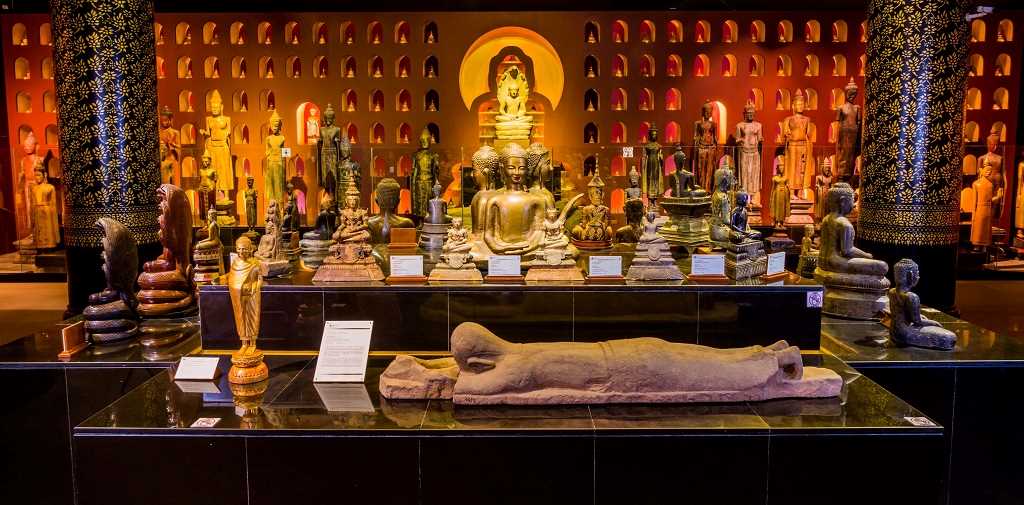
One of the museum’s most impressive sections is its display of Khmer bronze sculptures, including a magnificent Avalokiteshvara statue created using the lost-wax casting technique.
Bronze artifacts are rare in Angkor due to looting and material reuse. Seeing them up close demonstrates the technological sophistication of Khmer metalworkers.
Interactive and Multimedia Experiences
The Angkor National Museum goes beyond static displays.
Multimedia Theater
4D cinematic presentations recreate:
- Temple construction processes
- Royal ceremonies
- Religious rituals
These immersive films contextualize monuments such as Preah Khan and Banteay Srei before visitors encounter them in person.
Digital Reconstructions and VR
Interactive touchscreen exhibits and virtual reconstructions allow guests to “walk” through restored temple complexes, offering visual clarity that weathered ruins alone cannot provide.
Rotating Exhibits
Temporary exhibitions highlight ongoing archaeological discoveries around Siem Reap, reinforcing the idea that Angkor research remains active and evolving.
Practical Visiting Information
Here is a quick Siem Reap museum guide overview:
| Detail | Information |
|---|---|
| Location | 5 km from Angkor Wat |
| Opening Hours | 8:30 AM – 6:00 PM (Closed Tuesdays) |
| Entry Fee | $12 (includes audio guide) |
| Suggested Visit Duration | 2–3 hours |
How to Structure Your Visit
- Start with the chronological Galleries A–F
- Move into thematic galleries (Bronze, Inscriptions)
- Finish with multimedia exhibits
Many travelers combine a morning temple visit with an afternoon museum stop the air conditioning offers welcome relief from Cambodia’s tropical climate.
Official information can be found at the museum’s website: https://www.angkornationalmuseum.com/
Tips for an Optimal Museum Experience
To maximize your visit, consider these Visiting Angkor Museum tips:
- Arrive early to avoid tour bus crowds
- Photography is allowed without flash in most galleries
- Allocate at least two hours for meaningful exploration
- Take advantage of the audio guide for historical context
Guided Tours
One-hour guided tours provide deeper analysis of:
- Iconographic symbolism
- Stylistic transitions between Hinduism and Buddhism
- Evolution of Khmer sculptural techniques
Family-Friendly Features
Interactive zones include:
- Puzzles
- Simplified Khmer history timelines
- Educational touchscreens
This makes the museum one of the most engaging Siem Reap cultural attractions for families.
Summary Table: Angkor National Museum Highlights
| Gallery/Feature | Key Artifacts/Experiences | Why It Matters |
|---|---|---|
| Pre-Angkorian | Terracotta artifacts, early lingas | Reveals Khmer civilization origins |
| Angkorian Statues | Bayon faces, Leper King replica | Demonstrates empire’s artistic peak |
| Inscriptions | Ancient steles and scripts | Provides direct royal historical records |
| Bronze Collection | Avalokiteshvara statue | Showcases rare metalwork mastery |
| Multimedia Theater | 4D films and VR reconstructions | Immersive revival of Angkor’s grandeur |
Conclusion
Angkor National Museum transforms scattered temple relics into a cohesive narrative of Khmer genius, spirituality, and political ambition.
By exploring its Angkor National Museum exhibits bronze masterpieces, inscriptions, Bayon-style sculptures, and interactive reconstructions visitors gain essential context before stepping into the vast ruins of Angkor.
Rather than simply admiring stone monuments, you leave equipped to understand them. As a prelude to Angkor Wat and the surrounding archaeological park, the museum enriches every subsequent temple visit turning sightseeing into informed cultural discovery.