Retire in Cambodia: Affordable Paradise for Expats in Southeast Asia
For many Western retirees, the math simply doesn’t work anymore. Rising housing prices, healthcare costs, and inflation are shrinking pensions in places like the United States, Australia, and Europe. But across the Pacific lies a country where the same retirement savings can fund a far richer lifestyle.
Welcome to Cambodia a destination increasingly on the radar of expats seeking affordable living, warm weather, and a relaxed Southeast Asian pace of life. Whether you imagine mornings by the Mekong River, temple sunsets near Angkor Wat, or beachside living along the Gulf of Thailand, retiring in Cambodia offers an accessible path to a comfortable overseas retirement.
Below is a realistic, experience-driven guide to retiring in Cambodia covering living costs, visa requirements, the best cities for expats, and what daily life actually looks like once you arrive.
Why Retire in Cambodia: Low-Cost Living Beats Thailand and Vietnam
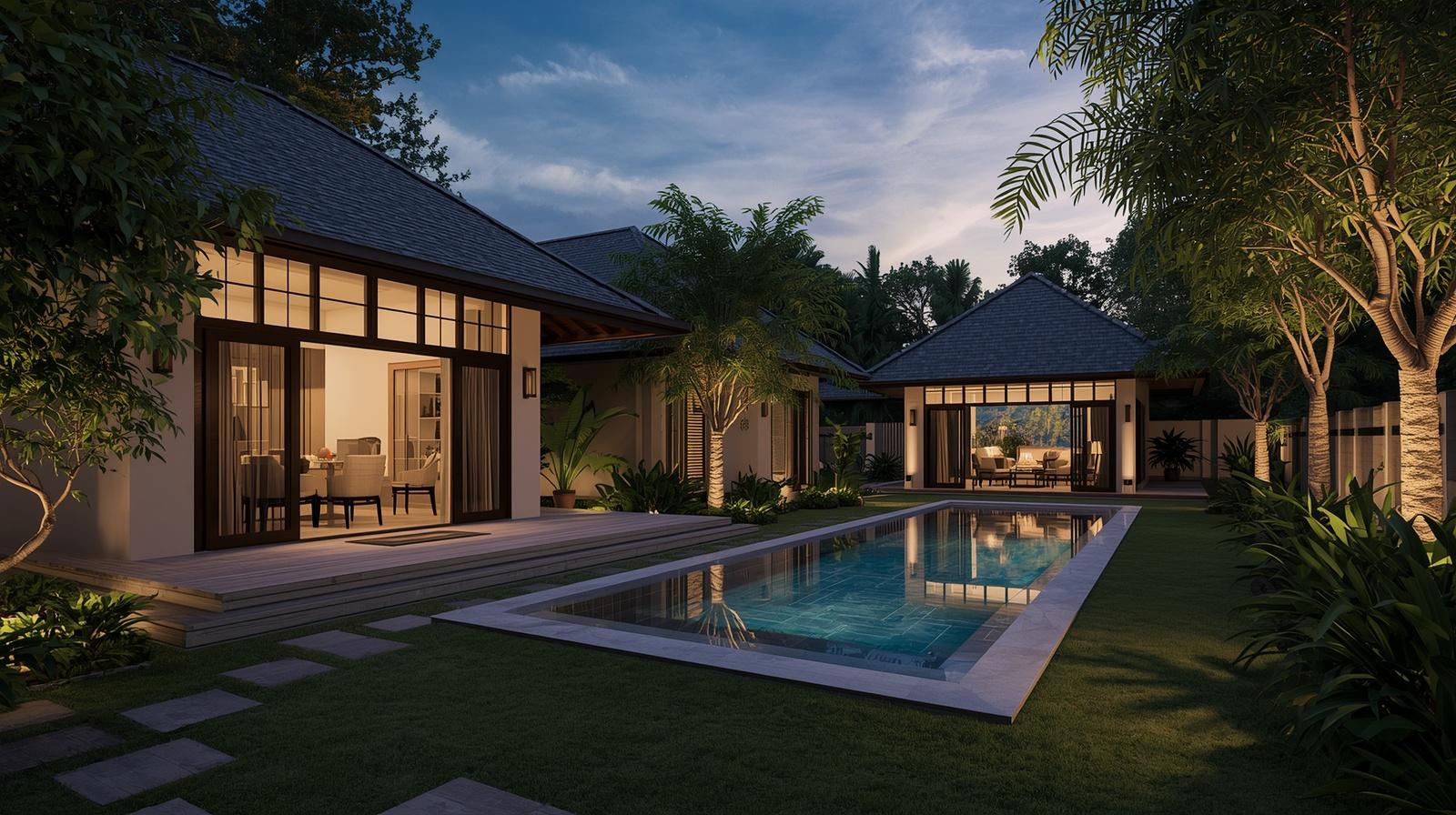
Imagine living in a serviced apartment with a pool, eating fresh tropical fruit every morning, and spending afternoons exploring temples or cafés while keeping your monthly budget below what you once paid for rent alone back home.
That’s the appeal of retiring in Cambodia.
Compared to other Southeast Asian retirement hotspots such as Thailand or Vietnam, Cambodia still offers one of the region’s lowest living costs combined with relatively simple visa policies.
Why retirees are choosing Cambodia
- Lower rent than most Southeast Asian capitals
- Large and growing expat communities
- Year-round tropical climate
- Easy visa extensions for retirees
- Widely accepted US dollar economy
Cities like Phnom Penh and Siem Reap now host vibrant expat neighborhoods filled with international restaurants, coworking spaces, and social clubs.
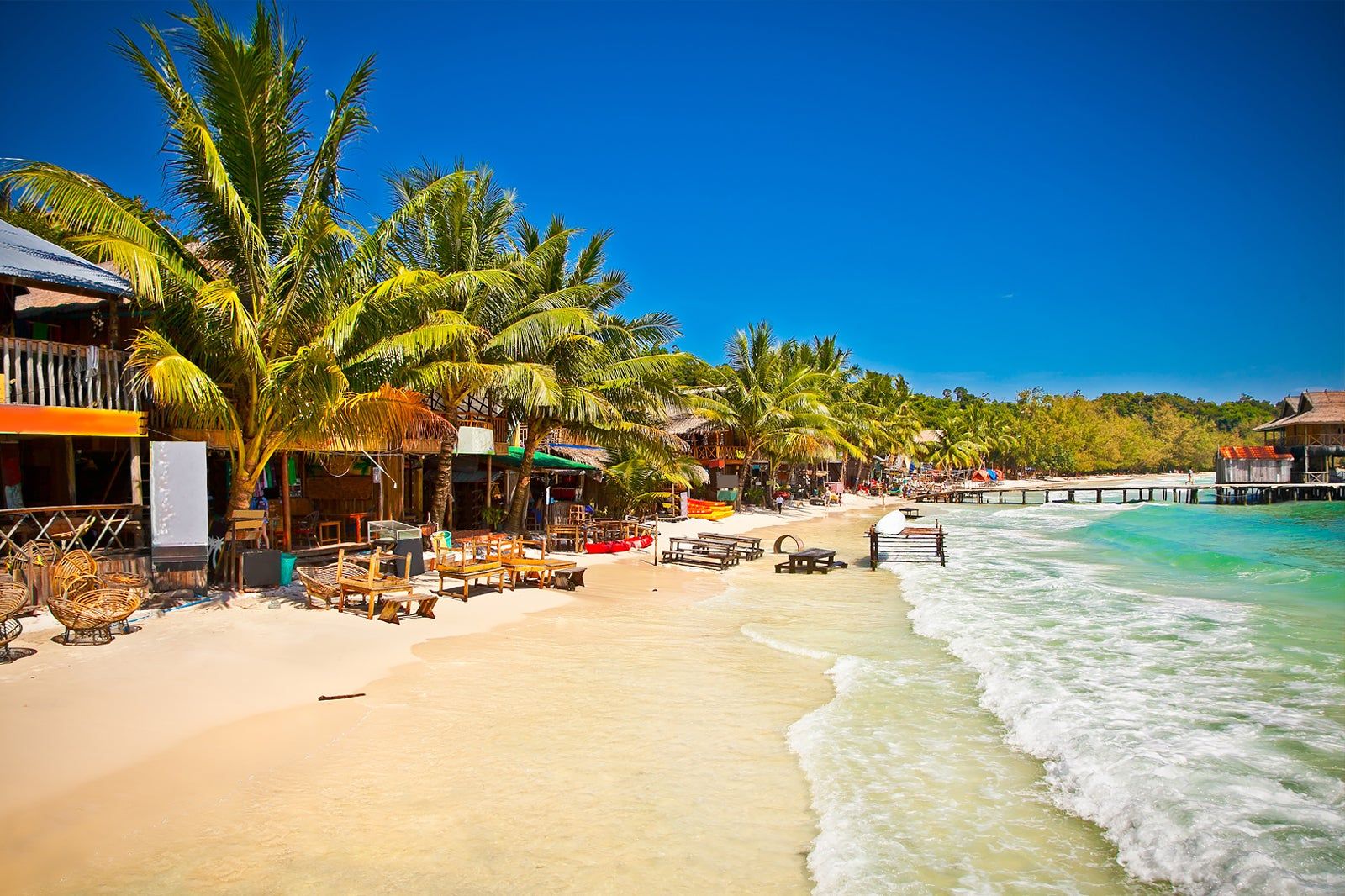
Meanwhile, island destinations such as Koh Rong offer retirees a quieter beach lifestyle with turquoise waters and minimal development.
For retirees who enjoy a blend of affordability and adventure, Cambodia sits in a sweet spot between emerging frontier and comfortable expat hub.
Cost of Living in Cambodia: Retire on $1,000–$2,000 Monthly Budget
One of the biggest reasons people retire in Cambodia is the dramatically lower cost of living.
In many cases, retirees can live comfortably on $1,200 to $2,000 per month depending on lifestyle and city.
Typical Monthly Retirement Budget
| Expense | Phnom Penh | Siem Reap | Coastal Towns |
|---|---|---|---|
| Apartment Rent | $400–800 | $350–700 | $250–600 |
| Utilities | $80–150 | $70–130 | $60–120 |
| Groceries | $150–250 | $150–220 | $140–200 |
| Dining Out | $120–250 | $120–220 | $100–200 |
| Healthcare/Insurance | $80–150 | $80–150 | $80–150 |
| Transport | $40–80 | $30–70 | $30–60 |
| Entertainment | $100–200 | $80–180 | $80–150 |
Estimated Monthly Total:
$1,000 – $2,000
Street food remains extremely affordable, with many meals costing $2–5. Western restaurants are more expensive but still far cheaper than in Western countries.
Healthcare Costs
Healthcare in Cambodia has improved significantly over the past decade, particularly in Phnom Penh.
One major facility is Royal Phnom Penh Hospital, which operates under the Bangkok Dusit Medical Services network.
Private health insurance plans for expats typically range between $80 and $150 per month depending on age and coverage.
For complex procedures, some expats still travel to Bangkok, a common hub for medical tourism in Southeast Asia.
You can review healthcare system details via the World Health Organization, which tracks health infrastructure across the region.
Cambodia Retirement Visa: Easy Path for Americans, Europeans, and Aussies
Compared to neighboring countries with strict retirement income rules, Cambodia’s visa process is refreshingly straightforward.
The most popular option for retirees is the Retirement Extension (ER) visa.
Cambodia Retirement Visa Overview
| Visa Type | Eligibility | Length | Approx Cost |
|---|---|---|---|
| Ordinary (E) Visa | Anyone entering Cambodia | 30 days | ~$35 |
| ER Retirement Extension | Age 55+ with pension | 1 year renewable | ~$300–$360 |
| Business Extension (EB) | Working expats | 1 year renewable | ~$300+ |
To qualify for the ER extension, retirees generally need to demonstrate retirement status and a reliable income source such as pension payments.
Applications are typically processed through visa agencies or immigration offices in Phnom Penh.
Financial documentation may involve local banking institutions such as Canadia Bank.
For official immigration updates, consult Cambodia’s General Department of Immigration Cambodia website.
Unlike some Southeast Asian countries, Cambodia does not require large retirement savings deposits in local banks, making it particularly attractive for American retirees.
Best Places to Retire in Cambodia: Phnom Penh, Siem Reap, or Coastal Gems
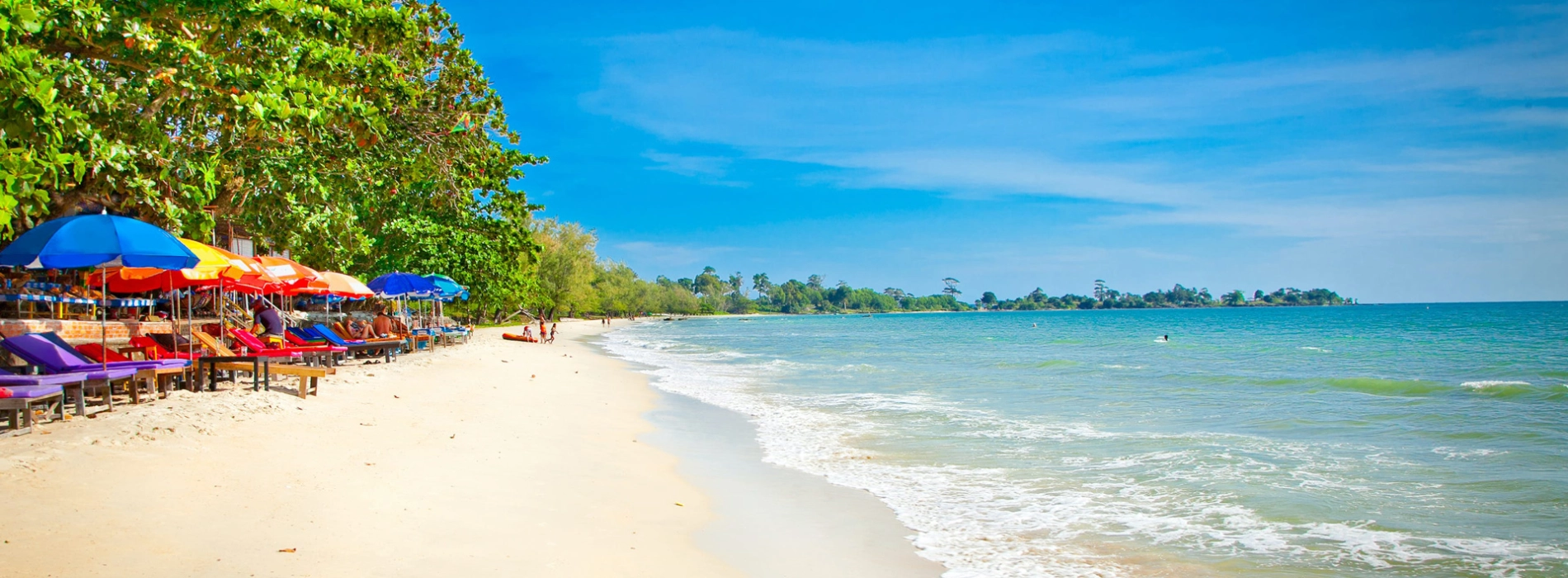
Where you retire in Cambodia shapes your lifestyle dramatically. Each region offers a different rhythm of life.
Phnom Penh
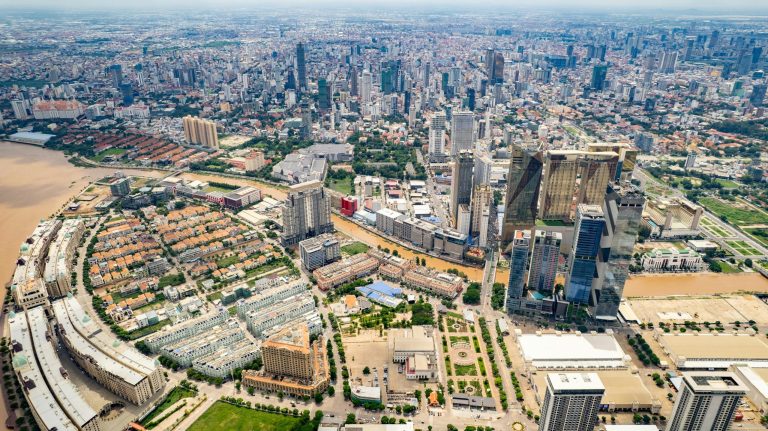
The capital city delivers the most urban lifestyle. Expats gravitate toward the BKK1 district, known for its international cafés, gyms, and restaurants.
Highlights include:
- Riverside walks along the Mekong
- International hospitals and clinics
- Diverse expat community
Siem Reap
If you prefer a slower pace, Siem Reap provides a relaxed atmosphere near the temples of Angkor.
Retirees enjoy:
- A strong expat social scene
- Easy access to Tonle Sap Lake
- Cultural attractions and markets
Coastal Cambodia
Beach lovers often choose Sihanoukville or nearby islands.
However, quieter alternatives are emerging:
- Kampot – known for pepper farms and colonial charm
- Battambang – artistic hub with French architecture
Each destination balances affordability, climate, and community in different ways.
Daily Life Retiring in Cambodia: Healthcare, Safety, and Social Scene
Daily life in Cambodia is surprisingly comfortable for retirees who adapt to the rhythm of Southeast Asia.
Healthcare Access
In Phnom Penh and Siem Reap, expats rely on international clinics such as:
- International SOS Clinic Phnom Penh
- Royal Phnom Penh Hospital
Dental care and routine procedures are also very affordable compared to Western countries.
Safety
Cambodia remains relatively safe for foreigners. Petty theft can occur in crowded markets, but violent crime involving expats is rare.
Common-sense precautions such as avoiding poorly lit streets late at night are usually sufficient.
Social Life
The expat community is active and welcoming.
Popular social outlets include:
- Cambodia expat Facebook groups and forums
- Running clubs like the Phnom Penh Hash House Harriers
- Cooking classes focusing on Khmer cuisine
- Riverside cafés and coworking spaces
For retirees who enjoy motorbike travel, weekend rides through rice fields and countryside villages offer endless exploration.
Pros and Cons of Retiring in Cambodia as a Foreigner
No destination is perfect. Cambodia offers remarkable benefits but also requires flexibility.
Advantages
| Benefit | Details |
|---|---|
| Low cost of living | Comfortable lifestyle for $1,200–$2,000/month |
| Tropical climate | Warm temperatures year-round |
| Friendly culture | Khmer hospitality toward foreigners |
| Accessible visas | Retirement extensions relatively easy |
Challenges
| Challenge | Reality |
|---|---|
| Infrastructure | Rural roads and transport developing |
| Language barrier | Khmer language dominates outside expat areas |
| Healthcare limits | Advanced procedures may require travel abroad |
| Seasonal weather | Heavy monsoon rains from May–October |
The cultural richness compensates for many of these inconveniences. Festivals such as Bon Om Touk bring cities alive with boat races and celebrations along the Tonle Sap River.
Temples like Preah Vihear Temple reveal Cambodia’s extraordinary historical heritage beyond Angkor.
Making Your Move: Steps to Retire in Cambodia Today
If Cambodia sounds appealing, a gradual transition works best.
Step-by-Step Plan
- Start with a trial stay
Enter Cambodia on an Ordinary (E) visa and stay 1–3 months. - Explore neighborhoods
Rent short-term apartments in districts like Toul Tom Poung or BKK1. - Establish finances
Cambodia uses US dollars widely for daily transactions. - Apply for a retirement extension
Convert your visa to an ER extension with help from local visa agencies. - Secure long-term housing
Many retirees sign one-year leases rather than buying property.
For official visa requirements and application updates, consult the Cambodian immigration authority website or embassy resources.
The Bottom Line: Why Cambodia Is One of Asia’s Best Retirement Secrets
For retirees willing to step slightly off the beaten path, Cambodia offers something increasingly rare in the modern world: genuine affordability combined with cultural depth and tropical beauty.
Life here moves slower. Morning coffee costs a dollar. Sunset walks along the Mekong replace rush-hour traffic. Weekends might involve temple visits, beach trips, or simple conversations at local markets.
Retiring in Cambodia isn’t just about saving money it’s about buying time, freedom, and a new rhythm of life in one of Southeast Asia’s most intriguing destinations.
For many expats who arrive intending to stay a year, Cambodia quietly becomes home.